
Choosing between two Google phones can be confusing, especially when their names look almost identical. The Google Pixel 10 vs 10a comparison is particularly interesting because both phones offer a 6.3-inch display, 120Hz refresh rate, Android 16, and Google’s smart software experience. However, they target very different buyers.
The Pixel 10 is a flagship-class smartphone starting at $799, while the Pixel 10a is positioned as a more affordable option. Google equips the Pixel 10 with its Tensor G5 processor, 12GB of RAM, and a triple-camera system with a dedicated 5x telephoto lens. The Pixel 10a uses Tensor G4, 8GB of RAM, and a dual-camera setup.
In this Google Pixel 10 vs 10a guide, we’ll compare their design, display, performance, cameras, battery, charging, software, AI features, durability, and value. By the end, you’ll have a much clearer idea of which Pixel is the better choice for your needs.

Table of Contents
Google Pixel 10 vs 10a: Key Differences at a Glance
The easiest way to understand the Google Pixel 10 vs 10a debate is to look at the major hardware differences.
| Feature | Google Pixel 10 | Google Pixel 10a |
|---|---|---|
| Starting price | $799 | $499 |
| Display | 6.3-inch OLED | 6.3-inch pOLED |
| Refresh rate | 60–120Hz | 60–120Hz |
| Processor | Tensor G5 | Tensor G4 |
| RAM | 12GB | 8GB |
| Storage | 128GB / 256GB | 128GB / 256GB |
| Rear cameras | Triple | Dual |
| Main camera | 48MP | 48MP |
| Ultrawide | 13MP | 13MP |
| Telephoto | 10.8MP, 5x optical | No dedicated telephoto |
| Maximum Super Zoom | 20x | 8x |
| Front camera | 10.5MP autofocus | 13MP |
| Battery | 4,970mAh | 5,100mAh |
| Wireless charging | Qi2 up to 15W | Qi wireless |
| Weight | 204g | 183g |
| Software | Android 16 | Android 16 |
| Updates | 7 years | 7 years |
| Water resistance | IP68 | IP68 |
The specifications show that the Pixel 10 concentrates on performance and photography, while the Pixel 10a emphasizes affordability and practical everyday features.
Google Pixel 10 vs 10a: Design and Build Quality
The Google Pixel 10 vs 10a design comparison reveals a noticeable difference in physical construction.
The Pixel 10 measures approximately 152.8 x 72.0 x 8.6mm and weighs 204 grams. It uses a more premium construction and Gorilla Glass Victus 2 on the front. The device is also IP68-rated for protection against dust and water.
The Pixel 10a is slightly taller and thicker, measuring about 153.9 x 73.0 x 9.0mm. At 183 grams, however, it is considerably lighter. Google uses a composite matte back with a satin aluminum frame, while the front is protected by Gorilla Glass 7i. It also carries IP68 protection.
This means the Pixel 10 feels more like a premium flagship, while the 10a focuses on comfort and practicality.
For users who carry their phone all day, the lighter Pixel 10a can be appealing. On the other hand, people who care about premium materials may prefer the Pixel 10.
Google Pixel 10 vs 10a: Display Comparison
Display quality is one area where the Google Pixel 10 vs 10a comparison becomes surprisingly close.
Both phones feature a 6.3-inch display with a 1080 x 2424 resolution and a smooth 60–120Hz refresh rate. Both can reach up to 2,000 nits in HDR and up to 3,000 nits of peak brightness according to Google’s specifications.
The Pixel 10 uses an OLED Actua display with Gorilla Glass Victus 2. The Pixel 10a uses a pOLED Actua display protected by Gorilla Glass 7i.
For normal activities such as watching YouTube, browsing websites, checking social media, reading articles, and viewing photos, both screens should feel smooth and vibrant.
The Pixel 10 has the advantage in protection and overall flagship positioning. Still, the Pixel 10a’s screen is far from a budget-looking panel.
In fact, independent testing found the Pixel 10a capable of reaching very high brightness levels, making it suitable for outdoor use.
Google Pixel 10 vs 10a: Performance and Processor
Performance is one of the biggest reasons to choose the Pixel 10.
The Google Pixel 10 vs 10a performance battle is essentially a Tensor G5 versus Tensor G4 comparison. Google equips the Pixel 10 with its Tensor G5 processor and 12GB of RAM. The Pixel 10a uses the previous-generation Tensor G4 with 8GB of RAM.
For everyday activities, both should feel responsive. You can browse the web, use messaging apps, stream videos, edit photos, and run multiple applications without major problems.
However, demanding users should consider the Pixel 10.
The newer Tensor G5 provides a stronger foundation for intensive applications and Google’s latest AI features. The additional RAM also gives the Pixel 10 more breathing room when multitasking.
If you plan to keep your phone for several years, buying the newer processor can make sense. It’s not just about today’s performance; it’s about having additional headroom for future software.
Google Pixel 10 vs 10a: RAM and Storage
The Google Pixel 10 vs 10a memory comparison also favors the flagship model.
The Pixel 10 comes with 12GB of RAM and is available with either 128GB or 256GB of storage. The Pixel 10a includes 8GB of RAM and offers the same two storage capacities.
For casual users, 8GB should be sufficient. You can comfortably use social media, messaging, navigation, streaming, photography, and normal productivity apps.
However, 12GB gives the Pixel 10 an advantage for heavier multitasking.
If you’re someone who keeps many apps open or frequently uses AI and editing tools, the Pixel 10 is the safer long-term choice.
Neither phone offers a microSD card slot, so choosing the right storage capacity at purchase is important.
Google Pixel 10 vs 10a: Camera Comparison
The camera setup represents one of the biggest hardware distinctions in the Google Pixel 10 vs 10a comparison.
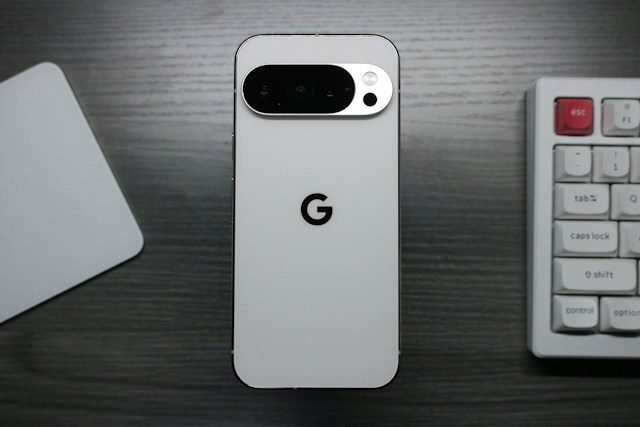
The Pixel 10 features a triple rear-camera system. It includes a 48MP wide camera, a 13MP ultrawide camera, and a 10.8MP telephoto camera with 5x optical zoom and optical image stabilization. Google’s system supports Super Zoom up to 20x.
The Pixel 10a has two rear cameras: a 48MP wide camera and a 13MP ultrawide camera. It supports Super Zoom up to 8x, but it doesn’t have a dedicated optical telephoto lens.
This distinction matters when photographing distant subjects.
For portraits, travel photography, sporting events, wildlife, and distant buildings, the Pixel 10’s dedicated telephoto camera gives it a clear advantage.
The Pixel 10a can still produce impressive images. Google’s computational photography helps the affordable Pixel deliver strong results without requiring flagship hardware.
Independent reviews have praised the Pixel 10a’s camera reliability, particularly for everyday photography.
Google Pixel 10 vs 10a: Zoom and Video
Zoom is another area where the Google Pixel 10 vs 10a difference becomes obvious.
The Pixel 10 provides a 5x optical telephoto camera and Super Zoom up to 20x. That gives photographers more flexibility when capturing distant subjects.
The Pixel 10a relies on its main camera and computational zoom, reaching Super Zoom up to 8x.
For video, the Pixel 10 supports 4K recording at 24, 30, and 60 frames per second from the rear camera. Its front camera can also record 4K at 30 and 60fps.
The 10a is capable of 4K video as well, but the Pixel 10 provides a more versatile camera package.
If your phone is your primary camera, the extra cost of the Pixel 10 becomes easier to justify.
Google Pixel 10 vs 10a: Battery Life
The battery section makes the Google Pixel 10 vs 10a comparison more interesting.
The Pixel 10 has a typical 4,970mAh battery and is rated by Google for 24+ hours of battery life. Extreme Battery Saver can extend the claimed endurance to up to 100 hours.
The Pixel 10a has a larger typical 5,100mAh battery. Google rates it for 30+ hours, with Extreme Battery Saver extending the claim to up to 120 hours.
So, despite being the cheaper phone, the Pixel 10a has the larger battery and Google’s higher advertised endurance figure.
This could make the 10a a better choice for people who prioritize battery life over maximum performance.
Google Pixel 10 vs 10a: Charging and Wireless Charging
Charging is another important part of the Google Pixel 10 vs 10a comparison.
Google says the Pixel 10 can reach up to 55% charge in around 30 minutes using a 30W USB-C PPS charger or higher. It also supports Qi2-certified Pixelsnap wireless charging at up to 15W.
The Pixel 10a supports fast charging and Qi-certified wireless charging. Google’s official specifications state that a 45W USB-C PPS charger or higher can provide up to 50% charge in about 30 minutes.
The Pixel 10 has a stronger wireless charging ecosystem because of its Qi2/Pixelsnap support.
Therefore, users who already use magnetic charging accessories may find the Pixel 10 more convenient.
Google Pixel 10 vs 10a: Software and Updates
Software is a major strength of both phones.
Both the Pixel 10 and Pixel 10a launch with Android 16 and receive seven years of OS, security, and Pixel Drop updates.
That long support period is important because a smartphone isn’t just about its hardware.
A phone with long-term software support can remain useful for many years, which can improve its overall value.
The Pixel 10 has an advantage in processing power, so it may be better prepared for demanding future AI features. Nevertheless, the Pixel 10a remains impressive for its price because it receives the same long update commitment.
Google’s official Pixel specifications are available through the Google Pixel Store, which is a useful source for checking specifications and availability.
Google Pixel 10 vs 10a: AI Features
Google’s AI ecosystem is central to the Google Pixel 10 vs 10a experience.
The Pixel 10 includes Gemini, Gemini Live, Circle to Search, Live Translate, Call Assist, Camera Coach, Add Me, and a variety of AI-powered photo editing tools.
The Pixel 10a also provides Gemini Nano, Gemini, Gemini Live, Circle to Search, Live Translate, and other Google AI features.
This means you don’t necessarily need to spend $799 to get a modern Pixel AI experience.
However, the Pixel 10’s newer Tensor G5 processor and additional RAM provide a stronger hardware platform for advanced AI workloads.
If AI is a major reason you’re buying a Pixel, the Pixel 10 is the more future-focused option.
Google Pixel 10 vs 10a: Connectivity and Security
Both phones provide modern connectivity features, including 5G, Wi-Fi 6E, Bluetooth, NFC, GPS, and dual-SIM support depending on the market and model. Google’s specifications also list Titan M2 security hardware on both devices.
The Pixel 10 offers a premium hardware package, while the 10a provides many of the same basic connectivity capabilities at a lower price.
Both also benefit from Google’s security approach, including multiple layers of hardware and software protection.
For most users, there isn’t a dramatic everyday difference here.
Google Pixel 10 vs 10a: Price and Value
Price may be the most important part of the Google Pixel 10 vs 10a decision.
Google lists the Pixel 10 from $799 and the Pixel 10a from $499 in the US.
That’s a $300 difference before considering discounts, promotions, trade-ins, or regional pricing.
The Pixel 10 justifies its higher price with:
- Tensor G5 performance
- 12GB RAM
- Premium construction
- Dedicated 5x telephoto camera
- Up to 20x Super Zoom
- Qi2/Pixelsnap wireless charging
- More advanced camera hardware
The Pixel 10a counters with:
- Lower starting price
- 8GB RAM
- 5,100mAh battery
- 30+ hour claimed battery life
- 120Hz display
- Strong Pixel camera processing
- Seven years of updates
- IP68 resistance
So, the cheaper phone isn’t simply a worse version of the Pixel 10. It is designed around a different priority: maximum value.
Google Pixel 10 vs 10a: Gaming and Daily Use
For ordinary daily activities, both phones should be enjoyable.
Social media, web browsing, email, video streaming, navigation, photography, and messaging won’t require flagship-level hardware.
The Google Pixel 10 vs 10a gaming difference becomes more important for demanding users.
The Tensor G5 and 12GB RAM give the Pixel 10 more performance headroom. Gamers who play demanding 3D titles for long sessions should consider the Pixel 10.
The 10a is better suited to casual and moderate gaming. It can handle everyday entertainment without requiring the additional $300 investment.
In short, the Pixel 10 is the performance choice, while the 10a is the practical choice.
Google Pixel 10 vs 10a: Pros and Cons
Pixel 10 Pros
- Powerful Tensor G5 processor
- 12GB RAM
- Dedicated 5x telephoto camera
- 20x Super Zoom
- Premium build
- Qi2 wireless charging
- Excellent AI features
- Seven years of updates
Pixel 10 Cons
- More expensive
- Heavier than the 10a
- 128GB base storage may feel limited for some users
Pixel 10a Pros
- Lower $499 starting price
- Large 5,100mAh battery
- 30+ hour claimed battery life
- Bright 120Hz display
- Strong everyday camera performance
- Lightweight design
- Seven years of software support
- IP68 protection
Pixel 10a Cons
- Older Tensor G4 processor
- Only 8GB RAM
- No dedicated telephoto camera
- Less powerful zoom
- No Pixelsnap/Qi2 magnetic charging
- Hardware upgrades over the previous generation are relatively modest
Independent reviewers have similarly noted that the Pixel 10a offers strong value but makes relatively few major hardware changes compared with the Pixel 9a.
Who Should Buy the Pixel 10?
The Google Pixel 10 vs 10a choice becomes easier if you know what matters most to you.
Choose the Pixel 10 if you:
- Want flagship-level performance
- Take lots of zoom photos
- Need a dedicated telephoto camera
- Use AI features heavily
- Play demanding games
- Want 12GB RAM
- Prefer premium construction
- Want Qi2/Pixelsnap charging
- Plan to keep the phone for many years
The Pixel 10 is the better all-rounder and the more future-focused device.
Who Should Buy the Pixel 10a?
Choose the Pixel 10a if you:
- Want to spend less
- Prioritize battery life
- Mostly take normal photos
- Don’t need optical zoom
- Want a lightweight phone
- Prefer clean Android software
- Want seven years of updates
- Need strong everyday performance rather than maximum performance
For many users, the 10a is all the phone they really need.
Google Pixel 10 vs 10a: Final Verdict
The Google Pixel 10 vs 10a battle isn’t really about which phone is universally better. The Pixel 10 is clearly the more capable smartphone, but the Pixel 10a can offer better value depending on your priorities.
The Pixel 10 wins in performance, RAM, camera versatility, optical zoom, premium hardware, and wireless charging technology. Its Tensor G5 chip and triple-camera system make it the stronger choice for enthusiasts and power users.
The Pixel 10a, meanwhile, delivers an excellent combination of affordability, battery life, display quality, camera performance, AI features, and long-term software support.
If your budget is around $500, the Pixel 10a is a compelling option. If you can comfortably spend $799 and want better cameras, faster hardware, and more advanced features, the Pixel 10 is the smarter long-term purchase.
Ultimately, Google Pixel 10 vs 10a comes down to priorities: buy the Pixel 10 for maximum capability, or choose the Pixel 10a for excellent everyday value.
Frequently Asked Questions
1. Is the Pixel 10 better than the Pixel 10a?
Yes. The Pixel 10 has a faster Tensor G5 processor, 12GB RAM, a dedicated 5x telephoto camera, and more advanced charging features. However, the Pixel 10a is considerably cheaper.
2. Is the Pixel 10a worth buying in 2026?
Yes. The Pixel 10a is worth considering if you want a relatively affordable Pixel with a 120Hz display, strong camera processing, long battery life, Android 16, and seven years of updates.
3. Does the Pixel 10a have a telephoto camera?
No. The Pixel 10a has a 48MP main camera and a 13MP ultrawide camera. The Pixel 10 adds a 10.8MP 5x optical telephoto camera.
4. Which has better battery life, Pixel 10 or 10a?
The Pixel 10a has the larger 5,100mAh battery and Google’s higher advertised 30+ hour battery-life rating. The Pixel 10 has a 4,970mAh battery and a 24+ hour rating.
5. Does Pixel 10 have more RAM than Pixel 10a?
Yes. The Pixel 10 has 12GB of RAM, while the Pixel 10a has 8GB.
6. Do both phones have 120Hz displays?
Yes. Both Pixel 10 and Pixel 10a support Smooth Display with refresh rates ranging from 60Hz to 120Hz.
7. Which phone is better for photography?
The Pixel 10 is better for photography overall because it has a dedicated 5x telephoto camera and up to 20x Super Zoom. The Pixel 10a remains very capable for everyday photography and uses Google’s computational photography technology effectively.
8. How long will the Pixel 10a receive updates?
Google states that the Pixel 10a receives seven years of OS, security, and Pixel Drop updates.
9. Does the Pixel 10a have wireless charging?
Yes. Google lists Qi-certified wireless charging for the Pixel 10a. The Pixel 10 goes further with Qi2-certified Pixelsnap wireless charging at up to 15W.
10. Which Pixel should I buy?
If you want the best performance and camera versatility, choose the Pixel 10. If your priority is value, battery life, and a strong everyday Android experience, the Pixel 10a is the better fit.
Conclusion
The Google Pixel 10 vs 10a comparison shows that Google has created two phones for two different audiences.
The Pixel 10 is the stronger technical package. It offers the newer Tensor G5 chip, more RAM, a telephoto camera, better zoom capabilities, premium construction, and advanced wireless charging.
The Pixel 10a takes a different approach. It keeps the price lower while retaining many of the features that make Pixel phones attractive, including Google’s clean Android experience, useful AI tools, a high-refresh-rate display, strong computational photography, IP68 protection, and seven years of updates.
For buyers who want a flagship-style experience and don’t mind paying more, the Pixel 10 is the clear winner. For budget-conscious shoppers who want a dependable Pixel without spending flagship money, the Pixel 10a is an excellent alternative.
In the end, the best choice depends on your budget and how you use your smartphone every day.