
Few tech debates stay as lively year after year as the iPhone vs Google Pixel discussion. On one side stands Apple, the company that turned the smartphone into a mainstream necessity and built one of the most profitable hardware businesses in history. On the other stands Google, the company behind Android, Search, Gmail, and Maps, which uses the Pixel line to show what its software and artificial intelligence can do when hardware is designed specifically for them.
If you are trying to decide between the two, you are probably tired of vague opinions and marketing slogans. This guide takes a practical approach to the iPhone vs Google Pixel question. We compare design, displays, performance, software, artificial intelligence, cameras, battery life, update policies, ecosystems, privacy, and price. Along the way, we explain who benefits most from each phone, so you can choose based on your habits rather than hype.
Both companies refresh their lineups every year, and exact specifications change quickly. Instead of quoting numbers that may be outdated by the time you read this, we focus on the lasting differences in philosophy, strengths, and weaknesses. Before buying, check the current models and prices on the official store pages.

Techtunes24.com
Table of Contents
Why the iPhone vs Google Pixel Debate Matters
Smartphones are no longer optional accessories. They are our wallets, cameras, offices, maps, and entertainment centers, and a poor choice can frustrate you every day for years. That is why the iPhone vs Google Pixel decision deserves more thought than a quick glance at a spec sheet. The two platforms differ not only in hardware but in philosophy.
Apple’s philosophy is built on tight control. The company designs its own chips, its own operating system, and most of the services that run on top of them. The result is a phone that behaves predictably, receives polished software, and works seamlessly with other Apple products. Google’s philosophy is built on intelligence and openness. Pixel phones run a clean version of Android, and they act as showcases for Google’s newest artificial intelligence features, often before those features reach other Android devices.
These differences shape everything from how you set up your phone to how it handles photos, calls, and notifications. A person who already owns a Mac, an iPad, and AirPods will likely feel at home with an iPhone. A person who lives inside Gmail, Google Photos, and Google Calendar may find a Pixel more natural. Neither choice is wrong, but the wrong choice for your habits can feel like swimming against a current.
Both companies have also matured. The days when iPhones were clearly smoother and Android phones were clearly clunkier are long gone. Today the gap is smaller, and the decision often comes down to details and personal preference.
iPhone vs Google Pixel: Design and Build Quality
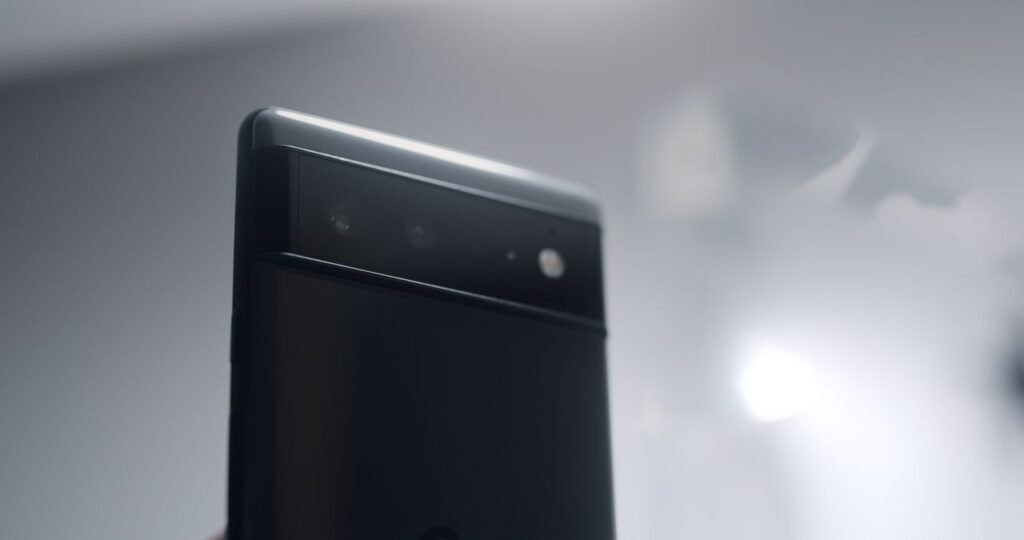
Design is the first thing you notice, and in the iPhone vs Google Pixel comparison the two brands take noticeably different paths. Apple favors a refined, understated look with flat edges and a camera plateau that has become instantly recognizable. Google went bolder, with a horizontal camera bar across the back that makes Pixel phones easy to identify from across a room.
Materials and Durability
Apple has used aluminum and titanium frames in recent premium models, paired with a glass back and a front glass it markets as Ceramic Shield. Google typically uses aluminum frames, with polished finishes on its higher-end models, and protects the display with Corning Gorilla Glass. Both companies offer strong water and dust resistance, so accidental splashes, rain, or a dip in the sink are rarely a problem.
In everyday use, both phones feel premium. iPhones tend to feel dense and solid, while Pixels have a slightly lighter, softer feel in the hand. Durability in drop tests varies from year to year and from model to model, so a case remains a wise investment for either brand.
Size, Weight, and Ergonomics
Apple and Google both sell a standard model, a larger Pro-style model, and a range of sizes to suit different hands. If you prefer a compact phone, check the current lineup, because compact options come and go. If you like a big screen for video and reading, both brands offer large models, though the extra weight can be tiring during long one-handed use.
Ergonomics also depend on button placement and haptics. iPhones are known for a crisp, precise haptic engine that makes typing and scrolling feel satisfying. Pixels have improved their vibration motors and now feel far more refined than earlier generations.
Colors and Personality
Apple leans toward subtle, sophisticated colors, while Google often chooses playful, distinctive shades. If you want your phone to blend in, the iPhone is usually the safer visual choice. If you want it to stand out, the Pixel’s design language makes that easy.
iPhone vs Google Pixel Display Quality
Screens are where you spend most of your phone time, so the iPhone vs Google Pixel display comparison matters more than many buyers realize. Both companies use high-quality OLED panels with rich colors, deep blacks, and smooth high refresh rates on their premium models. Side by side, most people struggle to find a clear winner.
Brightness and Outdoor Visibility
Peak brightness has become a major selling point. Both brands now produce very bright displays that remain readable in direct sunlight, and both use adaptive brightness to protect your eyes at night. In practice, either phone will serve you well on a sunny street or a bright beach.
Refresh Rate and Smoothness
Apple markets its adaptive high-refresh-rate technology as ProMotion, while Google uses a similar variable refresh system on its higher-end models. Scrolling through social media, browsing websites, and switching between apps feel fluid on both. Lower-priced models from either brand may use slower panels, which is worth checking if smoothness matters to you.
Notches, Cutouts, and Extras
Apple’s Dynamic Island turns the front cutout into an interactive area for alerts, timers, music controls, and live activities. Google uses a simple punch-hole camera, which is less distracting to some people and less useful to others. Both phones support always-on display modes, and both offer strong color calibration options.
If you are sensitive to screen flicker at low brightness, read independent reviews of the specific models you are considering, since reports differ from one generation to the next.
Performance: Chips, Speed, and Gaming
Raw power is one of the most discussed parts of any iPhone vs Google Pixel comparison, and it is where Apple has historically held an edge. Apple designs its A-series chips in-house, and they consistently rank among the fastest mobile processors in the world. Google designs its Tensor chips with a different goal in mind: running machine learning tasks efficiently rather than winning benchmark charts.
Everyday Speed
For ordinary tasks such as messaging, browsing, streaming video, and using social apps, both phones feel quick. Apps open promptly, animations stay smooth, and multitasking rarely causes a stumble. Most people would not notice a performance gap in daily use, especially during the first two or three years of ownership.
Gaming and Heavy Workloads
Gaming is where the difference becomes easier to see. iPhones generally sustain high frame rates for longer, and many developers optimize their games for Apple hardware first. Pixels can play demanding games well, but they may run warmer or throttle earlier during long sessions. If you play graphically intense titles for hours, the iPhone has the advantage.
Efficiency and Heat
Efficiency affects battery life and comfort. Apple’s chips tend to stay cooler under load, while Google has worked to close this gap with each new Tensor generation. Even so, if you record long videos, use navigation with the screen on, and tether your connection, an iPhone may stay cooler in hot weather.
The Pixel’s strength is not brute speed but the way its chip supports features such as on-device speech recognition, photo processing, and language understanding.
iPhone vs Google Pixel Software: iOS or Android?
Software is where the iPhone vs Google Pixel choice becomes truly personal. You are not just buying a phone. You are choosing an operating system you will use thousands of times a week.
Simplicity and Polish
iOS is famous for consistency. Apps follow familiar patterns, updates arrive on a predictable schedule, and the interface changes gradually. Many users appreciate that they can hand an iPhone to a parent or a child with little explanation. Apple also puts strong emphasis on animation quality and system-wide polish.
Customization and Control
Android on a Pixel offers deeper customization. You can change your default apps, arrange widgets freely, choose icon styles, and tweak system behavior in ways iOS still restricts. Notifications on Android are more flexible, and the Back gesture works across the whole system. Apple has added more customization in recent years, including home screen widgets and lock screen options, but it remains more controlled.
App Quality and Availability
Both platforms have almost every major app. Historically, some apps launched on iOS first or looked better there, particularly creative tools, games, and apps from smaller developers. That gap has narrowed but has not fully disappeared. Android, on the other hand, gives you more freedom to install apps from outside the official store, depending on your region and settings.
Everyday Features
Pixel phones include helpful call features, live captions, and transcription tools that feel genuinely useful. iPhones offer features like Focus modes, polished sharing tools, and consistent accessibility support. Ultimately, the better operating system is the one whose habits match yours.
Artificial Intelligence: Apple Intelligence vs Google Gemini
Artificial intelligence has become a major battleground in the iPhone vs Google Pixel rivalry. Google entered this era with a strong advantage, having spent years building search, translation, and machine learning tools. Apple arrived later but has been steadily expanding its own tools under the Apple Intelligence banner.
What Google Does Well
Pixel phones lead with Gemini, Google’s AI assistant, which can answer questions, summarize content, help write messages, and interact with other Google services. Features like Circle to Search, call screening, real-time translation, recorder summaries, and advanced photo editing tools show how deeply Google has woven AI into the phone. Because Google builds both the software and the models, new features often appear on Pixel first.
What Apple Does Well
Apple focuses on features that feel like natural extensions of the phone, including writing tools, notification summaries, photo cleanup, and improved search inside apps. Apple also stresses on-device processing and privacy, and it uses a system designed to keep personal information protected when cloud help is needed. Siri has been gradually evolving, and Apple has shown a clear commitment to catching up in areas where Google leads.
Which Approach Wins?
If you want the most ambitious and experimental AI features, the Pixel is usually the more exciting option. If you prefer AI that stays in the background and puts privacy first, the iPhone may suit you better. Features and availability differ by region and language, so confirm what works in your country before making a decision based on AI alone.
iPhone vs Google Pixel Camera Comparison
For many shoppers, the iPhone vs Google Pixel camera battle is the deciding factor. Both brands are known for excellent photography, and both have spent years refining computational photography, which blends multiple exposures and uses software to produce a final image.
Photo Quality in Good Light
In bright conditions, both phones produce sharp, detailed, and pleasing photos. The difference is style. iPhone images typically look natural, balanced, and true to the scene, with realistic skin tones. Pixel images often look a bit more punchy and contrasty, with strong dynamic range and a distinctive processing style. Some people prefer one look over the other, and neither is objectively wrong.
Low Light and Night Photography
Google helped popularize night photography on phones, and Pixels remain excellent at pulling detail from dark scenes. iPhones have closed much of the gap and often preserve a more natural mood at night. If you regularly shoot in dim restaurants, concerts, or city streets, look at sample photos from both, since results depend heavily on the specific model.
Zoom and Versatility
Both brands offer telephoto and ultrawide lenses on their premium phones. Zoom quality at moderate distances is strong on both, and Google leans on AI upscaling for very long zoom. Apple generally offers a wider variety of shooting tools built into the camera app, including modes that professionals appreciate.
Video Recording
Video is a place where the iPhone iPhone-style approach traditionally shines. Apple’s video is widely considered among the best on any phone, with stable footage, accurate colors, and strong support for professional workflows and third-party editing apps. Pixel video has improved considerably, especially in stabilization and low light, but iPhones still hold an edge for creators who shoot video regularly.
Editing and Smart Tools
Google’s Magic Editor, Best Take, and other tools make it easy to fix photos after you shoot them. Apple’s editing tools are simpler but consistent and increasingly capable. Google Photos is a powerful companion for Pixel owners, and iCloud Photos is the natural choice for iPhone users.
Selfies and Front Cameras
Both phones capture flattering, detailed selfies. Apple’s front camera tends to deliver consistent skin tones, while Google’s software often makes strong choices for lighting and background. For video calls, both perform very well.
Battery Life and Charging
Battery life is rarely settled by a spec sheet, and the iPhone vs Google Pixel battery comparison is no exception. Battery capacity, chip efficiency, screen settings, and software all interact, so real-world results matter more than numbers.
Endurance in Daily Use
In most tests, iPhones deliver reliably strong battery life thanks to efficient hardware and software working together. Pixel phones have improved with each generation and can comfortably last a full day for typical users. Heavy users who stream video, use maps, and play games may need a top-up in the evening from either brand, especially on smaller models.
Charging Speed and Convenience
Charging speeds vary by model. Both brands support fast wired charging and wireless charging, and both support magnetic accessories to some degree. Apple’s MagSafe ecosystem is large, with cases, wallets, mounts, and chargers from many manufacturers. Google has embraced the Qi2 standard, which brings a similar magnetic experience on newer phones.
Neither company includes a charger in the box in many regions, so you may need to buy one separately.
Long-Term Battery Health
Both operating systems include battery health tools that help slow aging, such as optimized charging that limits how long the phone sits at full charge overnight. Over several years, battery wear will reduce runtime on any phone, and replacement is an option for both brands.
Software Updates and Long-Term Support
Longevity is an underrated factor in the iPhone vs Google Pixel decision, especially if you like to keep a phone for many years.
Google’s Update Promise
Google made a major commitment by promising several years of operating system, security, and feature updates for recent Pixel phones, up to seven years on some models. This closed one of Android’s biggest historical disadvantages. Pixel owners also receive regular feature drops that add new capabilities to the phone after purchase.
Apple’s Track Record
Apple does not publish a fixed update promise, but its history is excellent. iPhones typically receive major iOS updates for around five to seven years, and security patches often continue even longer. Because Apple controls hardware and software, updates arrive quickly to all supported phones at once.
Why This Matters
Longer support means better security, more features, and better resale value. If you plan to keep your phone for five years or more, both brands are strong choices today, and the difference between them is smaller than it once was. Always check the current official support policy for the exact model you plan to buy.
Ecosystem and Accessories
Beyond the phone itself, the iPhone vs Google Pixel choice often depends on the ecosystem around it.
Apple’s Ecosystem Advantage
Apple’s greatest strength is how well its products work together. AirDrop, iMessage, FaceTime, Handoff, iCloud, Apple Watch, AirPods, Apple TV, and the Mac all connect with minimal setup. Copying text on your iPhone and pasting it on your Mac feels like magic the first time. Family sharing, Find My, and Apple Pay add to the convenience, and leaving the ecosystem can feel like giving up a great deal of accumulated comfort.
Google’s Ecosystem Approach
Google’s ecosystem is more open and works across many devices, including Windows PCs, Chromebooks, smart home gadgets, and even iPhones. The Pixel Watch, Pixel Buds, Nest devices, and Chromecast-style tools integrate well, and Google services are available almost everywhere. Quick Share and cross-device features are improving quickly, and Google’s approach is friendlier to people who mix brands.
Messaging and Social Factors
Messaging can matter more than people expect. In some regions, iMessage is the default way friends and family communicate, and that can create social pressure to choose an iPhone. In other regions, WhatsApp and similar apps dominate, which reduces that pressure. Support for RCS messaging between iPhone and Android has improved the experience of texting across platforms.
Privacy and Security
Privacy and security are central to the iPhone vs Google Pixel debate, and each company approaches them differently.
Apple’s Privacy Stance
Apple markets privacy as a core product feature. App Tracking Transparency lets you limit how apps follow you across other apps, and features such as Mail Privacy Protection and privacy labels in the App Store help you understand how data is used. Face ID remains one of the most trusted face authentication systems on a phone.
Google’s Security Strengths
Google builds a dedicated security chip called Titan into Pixel phones, and Android has invested heavily in malware scanning, scam detection, and rapid security updates. Google Play Protect scans apps, and Pixels offer features like scam detection during calls. Google’s business model relies on advertising, so the company collects data across its services, but it also gives users detailed privacy controls and dashboards.
Biometrics and Everyday Safety
iPhones use Face ID on most models. Pixels use fingerprint sensors and face unlock, with the level of security depending on the model. Both let you protect banking apps, wallets, and private notes with strong authentication.
The safest phone is ultimately the one you keep updated and use carefully, regardless of brand.
iPhone vs Google Pixel Price and Value
Price often decides the iPhone vs Google Pixel question more than any feature list. Both brands sell across a wide range of budgets, and both have premium models that cost as much as a laptop.
Flagship Pricing
At the top end, prices are similar. Apple’s Pro models and Google’s Pro models often sit within a small range of each other, and both charge extra for larger storage. Carriers and retailers frequently offer deals, so the price you pay may differ from the list price.
Mid-Range Options
Google’s “a” series has long been one of the best values in the smartphone market, offering flagship-like cameras and software at a lower price. Apple offers more affordable choices as well, though they typically make greater compromises. If you want the best camera and software experience for the least money, the iPhone vs Google Pixel value question often favors Google’s mid-range phones.
Resale and Trade-In Value
iPhones traditionally hold their value better on the used market. That means a slightly higher purchase price can be partly offset when you sell or trade in later. Pixels tend to depreciate faster, which can make used Pixels a bargain if you buy secondhand.
Total Cost of Ownership
Think beyond the sticker price. Accessories, cloud storage, cases, repairs, insurance, and carrier plans all add up. Apple and Google both offer protection plans, and some buyers prefer to avoid them and simply be careful. Consider your total cost across three to five years, not just the day you buy.
Who Should Buy an iPhone and Who Should Buy a Pixel?
After all these comparisons, the best answer to the iPhone vs Google Pixel question depends on you. Here is a simple guide.
Choose an iPhone If You:
- Already own a Mac, iPad, Apple Watch, or AirPods
- Value simplicity, polish, and consistency
- Record a lot of video or care about gaming performance
- Care about resale value
- Rely on iMessage or FaceTime with friends and family
- Prefer a stable, tightly controlled experience
Choose a Pixel If You:
- Live inside Google services such as Gmail, Photos, Maps, and Calendar
- Want the newest AI features and helpful call tools
- Enjoy customizing your phone
- Want excellent photography at a lower price, especially in the mid-range
- Use Windows or Chromebook devices more than Apple products
- Prefer a more open platform
If You Are Still Undecided
Visit a store and hold both phones. Look at the screens, test the cameras, and spend a few minutes with each operating system. Check whether your key apps, accessories, and payment tools work the way you expect. Many people discover their preference within ten minutes of hands-on time.
Frequently Asked Questions
Is the iPhone better than a Pixel overall?
Neither is universally better. The iPhone tends to lead in video, gaming performance, ecosystem integration, and resale value, while the Pixel often leads in AI features, customization, and value for money. The right choice depends on your priorities.
Which is better for photography in the iPhone vs Google Pixel matchup?
Both are excellent. Pixels are praised for dynamic range, night shots, and clever editing tools, while iPhones are praised for natural color and outstanding video. Compare sample photos from the specific models you are considering.
Which phone lasts longer?
Both brands now offer long support. Apple has a long history of updating older iPhones, and Google promises several years of updates for recent Pixel phones. With normal care and a battery replacement when needed, either phone can last five years or more.
Can I switch between them easily?
Yes. Both companies provide tools to move contacts, photos, messages, and apps. Switching is easier than it used to be, though some paid apps, messaging history, and ecosystem features may not transfer perfectly. If you are weighing the iPhone vs Google Pixel move because of an existing subscription or accessory, check compatibility first.
Is a cheaper Pixel or a cheaper iPhone the better bargain?
Google’s mid-range phones typically offer more features for the price, while Apple’s cheaper phones offer strong performance and long support with fewer extras. Compare current prices, since discounts change frequently.
Final Verdict
There is no single winner in the iPhone vs Google Pixel contest, and anyone who claims otherwise is ignoring the way people actually use their phones. The iPhone offers refinement, powerful hardware, excellent video, a deeply connected ecosystem, and strong resale value. The Pixel offers intelligence, customization, standout photography tools, a clean version of Android, and often better value for your money.
Start with your habits. If your life already runs on Apple devices, an iPhone will feel effortless. If your life runs on Google services and you enjoy the newest AI features, a Pixel will feel like a natural fit. Set a budget, compare the current models, try both in person if you can, and choose the phone that fits your daily routine rather than the one with the loudest marketing. Whichever you pick, you are getting one of the best smartphones available.