
Introduction
Welcome to our detailed samsung galaxy s26 ultra camera review, where we examine Samsung’s flagship camera system from every important angle. The Galaxy S26 Ultra is designed for users who want more than a basic smartphone camera. It combines high-resolution photography, multiple zoom options, improved low-light performance, advanced video features, and AI-powered editing tools in one device.
The samsung galaxy s26 ultra camera review becomes especially interesting because Samsung has focused on improving the overall photography experience rather than simply increasing megapixel numbers. The phone features a 200MP main camera, a 50MP ultra-wide camera, dedicated telephoto cameras, and a 12MP front camera.
Samsung has also improved the apertures of key cameras. The main camera uses an F1.4 aperture, while the 5x telephoto camera uses an F2.9 aperture. According to Samsung, these wider apertures can provide significantly improved brightness in challenging lighting conditions.
In this samsung galaxy s26 ultra camera review, we’ll examine the camera hardware, daylight photography, night photography, zoom, portraits, video recording, selfies, AI editing, camera controls, advantages, disadvantages, and real-world usability.
Whether you’re a mobile photography enthusiast, content creator, traveler, student, professional, or casual smartphone user, this guide will help you understand what the Galaxy S26 Ultra camera can actually do.
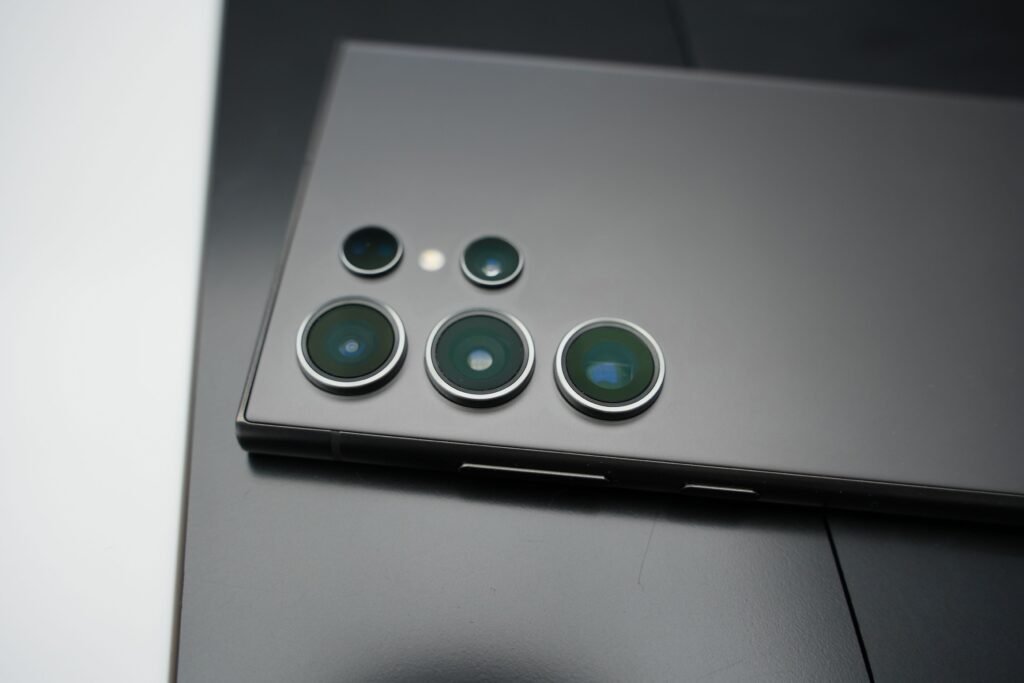
Table of Contents
1. Samsung Galaxy S26 Ultra Camera Hardware Overview
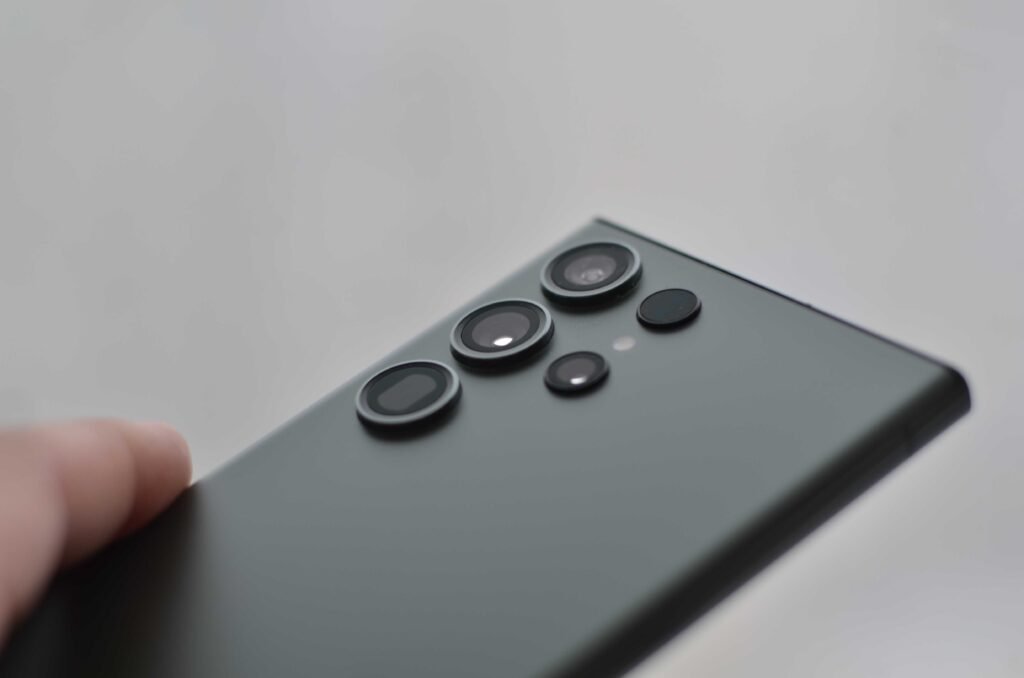
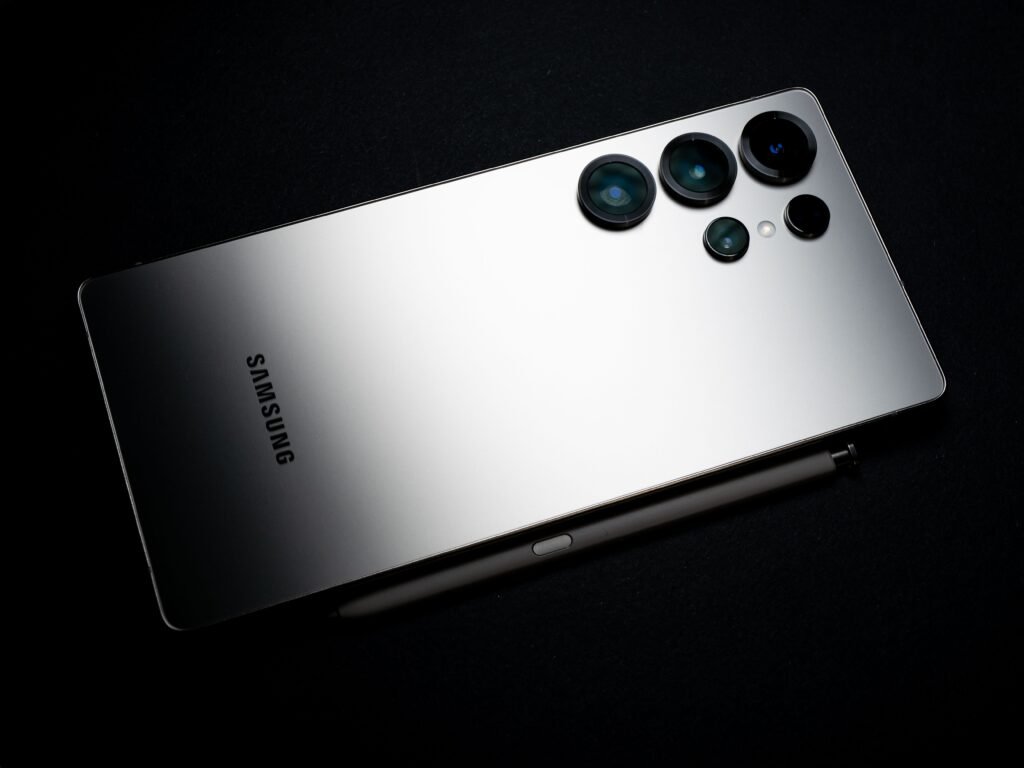
The foundation of any samsung galaxy s26 ultra camera review is the hardware. The Samsung Galaxy S26 Ultra camera system is built around four rear cameras. Samsung lists a 200MP wide camera, 50MP ultra-wide camera, 50MP telephoto camera with 5x optical zoom, and a 10MP telephoto camera with 3x optical zoom. There’s also a 12MP front-facing camera.
Camera Specifications at a Glance
| Camera | Resolution | Aperture | Zoom |
| Wide | 200MP | F1.4 | 2x Optical Quality |
| Ultra-Wide | 50MP | F1.9 | Ultra-wide |
| Telephoto | 50MP | F2.9 | 5x Optical / 10x Optical Quality |
| Telephoto | 10MP | F2.4 | 3x Optical |
| Front | 12MP | F2.2 | Selfie |
The hardware gives photographers considerable flexibility. You can capture a wide landscape, move to a standard 1x photo, switch to 3x for portraits, or use 5x for distant subjects without carrying another lens.
Samsung also supports up to 100x Space Zoom using a combination of optical hardware and computational processing.
Why Camera Hardware Matters
Megapixels are only one part of smartphone photography. Sensor quality, aperture, stabilization, autofocus, image processing, and software all influence the final result.
That’s why this samsung galaxy s26 ultra camera review isn’t focused only on the 200MP specification.
The wider apertures are particularly important because they allow more light to reach the camera sensor. This can help improve image brightness, detail, and noise performance in darker environments.
2. The 200MP Main Camera Is the Star
The main camera is the centerpiece of the Samsung Galaxy S26 Ultra camera review. It uses a 200MP sensor with an F1.4 aperture and optical image stabilization.
At first glance, 200MP sounds excessive. In practice, however, the camera isn’t designed for every photograph to be captured at the maximum resolution.
Instead, the phone can combine image data to create detailed everyday photographs while keeping file sizes more manageable.
Excellent Detail in Good Lighting
In bright outdoor conditions, the main camera can capture impressive texture. Buildings, trees, clothing, food, and other detailed subjects can retain plenty of information.
The high-resolution sensor is particularly useful when you need to crop an image later. For example, a photographer might capture a large scene and then crop into a smaller section while preserving useful detail.
Samsung says its processing engine analyzes high-resolution image data in real time to maintain textures and clarity.
Natural Shooting Experience
You don’t need to understand professional photography to use the main camera. Point the phone at a subject, press the shutter, and the software handles most of the complicated work.
That’s a major advantage for casual photographers.
However, enthusiasts can also use Samsung’s Pro controls when they want greater control over exposure, focus, ISO, shutter speed, and other settings.
3. Ultra-Wide Camera Performance
The 50MP ultra-wide camera is another important upgrade. It uses an F1.9 aperture and gives photographers a much broader field of view than the primary camera.The 50MP ultra-wide camera adds another important dimension to the samsung galaxy s26 ultra camera review.
This is useful for:
- Landscapes
- Architecture
- Group photographs
- Travel photography
- Interior rooms
- Large buildings
- Creative perspective shots
A strong ultra-wide camera isn’t simply about fitting more objects into a frame. Good edge quality and consistent color are equally important.
The 50MP sensor gives the S26 Ultra plenty of resolution to work with, while Samsung’s processing attempts to maintain consistency between different lenses.
Landscape Photography
For travel photographers, the ultra-wide camera can be particularly useful. Imagine standing in front of a large historical building. A standard lens may force you to step backward, while the ultra-wide camera can capture the structure from a closer position.
The result can also create a dramatic sense of depth.
Group Photos
It’s equally useful for group photographs. When several people need to fit into one frame, the wider perspective can make composition much easier.
Still, photographers should avoid placing faces too close to the extreme edges because ultra-wide lenses naturally introduce perspective distortion.
4. Telephoto Cameras and Zoom
One of the strongest reasons to consider the Samsung Galaxy S26 Ultra camera is its zoom system.
The phone has dedicated 3x and 5x telephoto cameras. Samsung specifies 3x optical zoom from the 10MP telephoto and 5x optical zoom from the 50MP telephoto. The 50MP telephoto also supports 10x optical-quality zoom.
3x Zoom
Zoom is one of the biggest strengths highlighted in this samsung galaxy s26 ultra camera review.
The 3x camera is excellent for portraits and medium-distance subjects.
It gives you more flattering framing than shooting a person’s face extremely close with the main camera.
It can also be helpful for:
- Street photography
- Food photography
- Pets
- Architecture
- Events
5x Optical Zoom
The 5x telephoto is where the phone becomes genuinely versatile.
You can photograph distant subjects while maintaining a relatively natural perspective. This is especially helpful for travel and outdoor photography.
Independent testing has also found the S26 Ultra’s zoom performance to be one of its notable strengths.
10x and 100x Zoom
At 10x, the phone can still produce useful photographs in good lighting.
A detailed samsung galaxy s26 ultra camera review should also discuss Samsung’s famous Space Zoom feature.
At 100x, expectations should be different. Samsung’s Space Zoom combines camera hardware with computational processing and AI-based enhancement.
It’s impressive for identifying distant objects, reading signs from afar, or experimenting creatively, but it shouldn’t be treated like a professional optical telephoto lens.
5. Low-Light and Night Photography
Low-light performance is one of the biggest changes highlighted in this Samsung Galaxy S26 Ultra camera review.
Samsung has increased the aperture of both the main and 5x telephoto cameras. The company says the F1.4 wide camera delivers 47% improved brightness, while the F2.9 telephoto provides 37% improved brightness.
Why Aperture Matters
A wider aperture allows more light into the camera.
More available light can help the phone capture:
- Brighter shadows
- More visible details
- Cleaner night scenes
- Better indoor images
- More usable telephoto photographs
This doesn’t eliminate noise completely, but it gives the processing system better information to work with.
Nightography Video
Samsung also focuses heavily on Nightography video.
The processor analyzes noise patterns associated with individual camera sensors and applies processing to video frames. Samsung says this helps preserve clarity and color in low-light video.
Independent reviews have also reported noticeably improved low-light results compared with the previous generation.
Where Night Photography Can Still Improve
No smartphone completely eliminates the challenges of night photography.
Very dark scenes can still produce:
- Noise
- Smearing
- Lost fine details
- Artificial-looking textures
- Motion blur
So, if you’re photographing a moving subject at night, stability and timing still matter.
6. Portrait Photography
Portrait photography deserves a dedicated section in this samsung galaxy s26 ultra camera review because the phone’s telephoto system gives users multiple ways to photograph people.
Portrait photography is another area where the multiple-camera system becomes useful.
The 3x telephoto camera can create a natural shooting distance between the photographer and subject. That’s often preferable to standing extremely close with the main camera.
Skin Tones
Samsung’s processing can produce vibrant and detailed portraits. However, color preference is subjective. Some users may prefer Samsung’s stronger contrast and punchier presentation, while others may prefer a softer, more natural rendering.
Independent testing has found that competitors such as Apple’s flagship phones can still have an advantage in certain color situations.
Portrait Mode
Portrait mode uses computational photography to separate the subject from the background.
When lighting is good, the effect can look convincing. Hair, glasses, and complicated edges remain challenging for every smartphone, though.
For better results, keep some distance between the subject and background. A greater separation usually helps create a more attractive blurred effect.
7. Daylight Photography
Bright daylight is where the Samsung Galaxy S26 Ultra camera review becomes especially positive.
The 200MP main sensor can capture a huge amount of information, while the ProVisual Engine handles processing.
Detail and Contrast
Outdoor photographs generally benefit from strong detail and contrast.
Trees, buildings, streets, cars, and landscapes can appear crisp. Samsung’s image processing also tends to give photos a visually pleasing appearance straight from the camera.
HDR Performance
High dynamic range is important when a scene contains bright sunlight and deep shadows.
For example, imagine photographing a building with a bright sky behind it. A weaker camera may either blow out the sky or leave the building too dark.
Computational photography helps the S26 Ultra balance those areas.
8. Video Recording Performance
Video is an important part of the samsung galaxy s26 ultra camera review.
Photography gets much of the attention, but video is another major strength.
Samsung’s official specifications list 8K video recording at up to 30 frames per second. The phone also supports slow-motion recording, including up to 240fps at Full HD.
Super Steady
Super Steady is designed for situations where the phone is moving.
It can be useful for:
- Walking videos
- Running
- Travel clips
- Sports
- Outdoor activities
Samsung also highlights a Horizontal Lock feature that can help keep video level even when the phone’s orientation changes.
Night Video
Night video is one of the more interesting improvements. Wider apertures give the camera more light, while processing reduces noise.
The result should be more useful footage after sunset, although professional videographers may still prefer dedicated cameras for maximum control.
9. Selfie Camera
The front camera is another important part of this samsung galaxy s26 ultra camera review.
The front camera uses a 12MP sensor with an F2.2 aperture. Samsung has also made improvements to the selfie experience and field of view.
For everyday selfies, video calls, social media, and family photographs, the front camera is more than capable.
Selfie Quality
Good lighting produces sharp and detailed selfies.
Samsung’s processing also attempts to balance skin texture and facial detail. Depending on your preference, you can adjust processing and camera settings to create a softer or more detailed appearance.
Group Selfies
A wider field of view is particularly useful for group selfies.
Instead of stretching your arm farther away, you can fit more people into the frame.
10. Galaxy AI and Photo Assist
Modern smartphone photography is increasingly computational.
AI is becoming a major part of smartphone photography, and this samsung galaxy s26 ultra camera review wouldn’t be complete without discussing Galaxy AI.
Samsung’s Galaxy AI features play an important role in the camera experience. Photo Assist lets users describe desired edits using natural-language prompts, allowing the software to modify images.
For example, users can request changes such as removing unwanted objects or transforming parts of an image.
AI Is Useful, but Use It Carefully
AI editing is convenient, but it isn’t a substitute for good photography.
A well-composed photograph taken in good light will usually provide a better starting point than a poorly exposed image.
AI is best viewed as an editing assistant rather than a magic replacement for photographic skill.
11. Camera App and Manual Controls
A good samsung galaxy s26 ultra camera review should also consider usability.
The Samsung camera app provides a straightforward automatic mode for everyday users while offering additional controls for enthusiasts.
You can switch between lenses quickly, change zoom levels, activate shooting modes, and access more advanced settings.
Pro Photography
Users who enjoy manual photography can experiment with:
- ISO
- Shutter speed
- White balance
- Manual focus
- Exposure
- RAW photography
These controls make the phone more useful for photographers who want creative control rather than relying entirely on automatic processing.
12. Real-World Camera Performance
A proper Samsung Galaxy S26 Ultra camera review should go beyond specifications.
In real-world testing, the phone’s strongest qualities are its flexibility, zoom range, detail, and improved low-light performance.
Android Central tested the phone alongside several major competitors and reported that the camera changes were more meaningful in practice than the specification sheet initially suggested.
TechRadar likewise found the camera system generally excellent, with improved apertures and noticeably less grain in night photographs.
Where Samsung Excels
The phone is particularly strong for users who want one device capable of handling many photography situations.
You don’t need to carry multiple lenses. The phone already provides:
- Ultra-wide coverage
- Standard photography
- 3x telephoto
- 5x optical telephoto
- 10x optical-quality zoom
- 100x Space Zoom
That versatility is difficult to ignore.
13. Samsung Galaxy S26 Ultra vs Other Flagship Cameras
The Samsung Galaxy S26 Ultra camera review wouldn’t be complete without discussing competition.
Apple’s flagship phones remain highly competitive for video and color consistency. Independent testing has found that the iPhone can still produce preferred colors in some situations.
Samsung’s advantage is its zoom flexibility and long-range photography.
Quick Comparison
| Feature | Galaxy S26 Ultra | Typical Flagship Alternative |
| Main camera | 200MP | Varies |
| Ultra-wide | 50MP | Varies |
| Optical telephoto | 3x + 5x | Usually fewer options |
| Maximum Space Zoom | 100x | Varies |
| 8K video | Yes | Varies |
| AI editing | Advanced | Advanced |
| Low-light improvements | Strong | Strong |
| Manual controls | Extensive | Varies |
The choice ultimately depends on priorities.
If zoom and camera versatility matter most, Samsung is an extremely compelling option. If video consistency and natural color rendering are your top priorities, competing flagships deserve consideration too.
14. Key Strengths and Weaknesses
Major Strengths
- 200MP main camera
- F1.4 main-camera aperture
- 50MP ultra-wide camera
- Dedicated 3x telephoto
- Dedicated 5x telephoto
- 10x optical-quality zoom
- Up to 100x Space Zoom
- Strong low-light performance
- Advanced AI editing
- 8K video recording
- Powerful stabilization features
- Excellent camera versatility
Possible Weaknesses
- 100x zoom isn’t equivalent to true optical zoom
- Samsung’s color processing may not suit everyone
- AI processing can sometimes make images look less natural
- Large camera capabilities come in a premium flagship phone
- Professional photographers may still want a dedicated camera
15. Who Should Buy the Galaxy S26 Ultra for Its Camera?
The phone is a particularly strong choice for:
Travel Photographers
You can carry one phone instead of multiple lenses for many everyday situations.
Social Media Creators
The combination of high-resolution photos, strong video capabilities, stabilization, and AI editing makes content creation convenient.
Parents and Families
Fast autofocus, zoom, portrait photography, and everyday automatic shooting make it practical for capturing unpredictable moments.
Night Photographers
The wider apertures make the phone more appealing for city scenes, events, restaurants, and evening photography.
Zoom Enthusiasts
If you frequently photograph distant subjects, few smartphones offer the same combination of dedicated telephoto cameras and computational zoom.
16. Ten Tips for Better S26 Ultra Photos
You don’t need expensive photography equipment to get better results. Try these simple techniques:
- Use the main camera in good lighting for maximum detail.
- Use 3x for portraits when you want flattering facial proportions.
- Use 5x for distant subjects when optical reach is important.
- Avoid unnecessary 100x zoom when you can physically move closer.
- Keep lenses clean before important photographs.
- Use Nightography in dark environments instead of relying on standard shooting.
- Hold the phone steady during night shots.
- Try Pro mode when automatic exposure isn’t giving the desired result.
- Use ultra-wide for architecture and landscapes.
- Edit carefully with Galaxy AI so photographs remain believable.
17. Frequently Asked Questions
Is the Samsung Galaxy S26 Ultra camera good?
Yes. The Samsung Galaxy S26 Ultra camera is one of the strongest smartphone camera systems available in 2026. Its combination of high-resolution photography, multiple telephoto lenses, improved low-light performance, and AI processing makes it highly versatile. Independent reviews have also praised its photography and zoom capabilities.
How many megapixels is the Galaxy S26 Ultra main camera?
The main camera has a 200MP resolution and uses an F1.4 aperture.
Does the Galaxy S26 Ultra have optical zoom?
Yes. It has a 3x optical telephoto camera and a 5x optical telephoto camera. Samsung also lists 2x and 10x optical-quality zoom and up to 100x Space Zoom.
Is the Galaxy S26 Ultra good for night photography?
Yes. Samsung has increased the aperture of the main and 5x telephoto cameras to improve brightness. The company says the main camera provides 47% improved brightness and the telephoto provides 37% improved brightness.
Can the Galaxy S26 Ultra record 8K video?
Yes. Samsung’s specifications list UHD 8K video recording at 30fps.
Does the Galaxy S26 Ultra have AI photo editing?
Yes. Galaxy AI includes Photo Assist, which allows users to describe editing requests using natural language.
Is the S26 Ultra better than the S25 Ultra for photography?
It offers meaningful camera improvements even though several major camera resolutions remain familiar. The wider apertures and processing changes are particularly important for low-light performance. Independent testing has reported noticeable improvements over the S25 Ultra.
Is the Galaxy S26 Ultra camera better than the iPhone?
There isn’t one universal winner. Samsung has a major advantage in zoom flexibility, while independent testing has found that Apple’s flagship can still have advantages in certain color and video situations. Your preferred shooting style matters.
18. Official Samsung Camera Information
For complete specifications and current regional information, readers can visit the official Samsung Galaxy S26 Ultra page.
This is particularly useful because camera specifications, storage configurations, availability, and features can vary by market.
Conclusion
The Samsung Galaxy S26 Ultra camera review reveals a flagship system that isn’t relying solely on megapixel numbers to impress.
The 200MP main camera remains the headline feature, but the wider F1.4 aperture is arguably just as important. The 50MP ultra-wide camera provides excellent flexibility, while the dedicated 3x and 5x telephoto cameras make the phone especially strong for portraits, travel, sports, and distant subjects.
Low-light performance is another major improvement. Samsung’s wider apertures and advanced processing give the camera more information to work with, while Nightography helps produce cleaner photographs and videos after sunset. Independent reviews have also recognized the improvement in low-light photography and zoom performance.
Of course, no camera phone is perfect. Some users may prefer the color science of competing phones, and 100x Space Zoom shouldn’t be confused with professional optical zoom.
Still, the overall package is impressive.
For people who want one smartphone that can photograph family moments, capture travel scenes, record high-resolution video, take portraits, shoot distant subjects, and edit images with AI, the S26 Ultra is a powerful choice.
In short, this is a camera system designed around versatility rather than a single headline specification. And that’s what makes it such an exciting flagship for smartphone photography in 2026.