
Introduction
The Samsung Galaxy S26 Ultra Review Bloatware topic is worth exploring because Samsung’s flagship smartphone comes with a feature-rich software experience rather than a minimalist Android interface. One UI provides extensive customization, productivity tools, Galaxy AI features, Samsung services, and Google applications.
For many users, having these tools available immediately is convenient. However, some buyers may discover applications they don’t need or services that duplicate functions they already use.
This is where the Samsung Galaxy S26 Ultra Review Bloatware discussion becomes important.
Bloatware doesn’t necessarily mean that every preinstalled application is useless. Samsung Camera, Samsung Gallery, Samsung Notes, and SmartThings can be extremely valuable depending on how you use your phone. The concern is mainly about optional software, duplicate applications, storage consumption, and unwanted notifications.
The good news is that many unnecessary applications can be removed, disabled, or simply hidden. With a little customization, you can make the Galaxy S26 Ultra feel considerably cleaner.
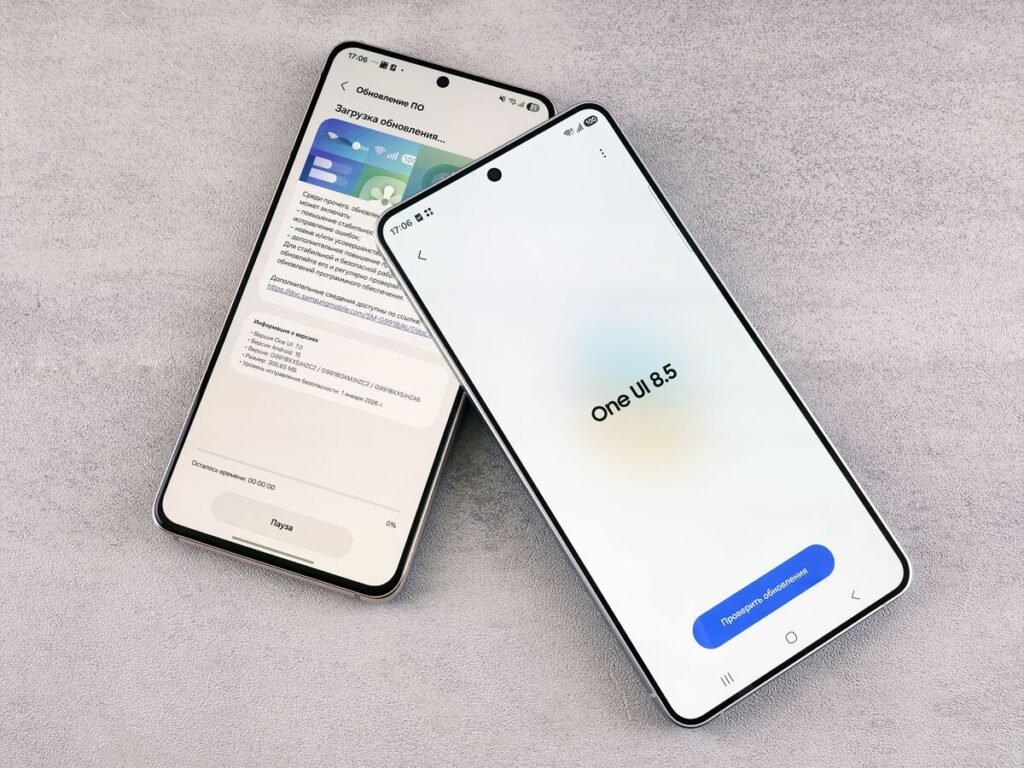
Table of Contents
Samsung Galaxy S26 Ultra Review Bloatware: Quick Verdict
Our Samsung Galaxy S26 Ultra Review Bloatware assessment focuses on the phone’s software experience rather than its hardware performance.
| Category | Rating |
|---|---|
| Software performance | 9/10 |
| Customization | 9.5/10 |
| Software cleanliness | 6.5/10 |
| App selection | 8/10 |
| App management | 8/10 |
| AI integration | 9/10 |
| Samsung ecosystem | 9.5/10 |
| Overall software experience | 8.5/10 |
The Galaxy S26 Ultra isn’t necessarily slow or poorly optimized because it contains numerous applications. Its powerful hardware can handle demanding workloads with ease.
The bigger issue is simplicity.
If you like having lots of features and services available, Samsung’s software approach can be appealing. If you prefer a clean interface with only essential applications, you’ll probably want to spend some time customizing the phone.
What Is Bloatware?
Bloatware generally refers to software that arrives preinstalled on a device but isn’t necessary for every user.
However, the definition can be subjective.
For example, Samsung Notes may be unnecessary for someone who never uses the S Pen. For another person, it could be one of the most important applications on the device.
Likewise, SmartThings may seem unnecessary if you don’t own smart-home equipment, while a Samsung ecosystem user may depend on it every day.
Therefore, the Samsung Galaxy S26 Ultra Review Bloatware issue isn’t simply about the number of installed apps.
A better way to judge bloatware is to consider whether an application:
- Is necessary for basic phone functionality
- Provides useful features
- Can be removed
- Consumes significant storage
- Creates unwanted notifications
- Runs unnecessary background services
- Duplicates another application
This approach gives you a more realistic view of the software situation.
One UI and the Galaxy S26 Ultra Experience
One UI plays a central role in the Samsung Galaxy S26 Ultra Review Bloatware conversation.
Samsung doesn’t use a completely stock version of Android. Instead, One UI adds its own interface, applications, ecosystem features, customization tools, productivity functions, and AI capabilities.
This makes the Galaxy S26 Ultra extremely flexible.
You can customize the home screen, Quick Panel, navigation, notifications, widgets, S Pen functions, display settings, and many other parts of the interface.
The downside is that more functionality can make the phone feel busy.
A new user may encounter Samsung applications, Google services, AI tools, cloud-storage options, productivity apps, and entertainment services during the initial setup.
In other words, One UI gives you plenty of choices, but those choices can also create a steeper learning curve.
Which Apps Can Come Preinstalled?
The exact software package can vary depending on the country, carrier, model, and software configuration. Therefore, not every Galaxy S26 Ultra will necessarily contain exactly the same applications.
Generally, preinstalled software falls into several categories.
Samsung Applications
Samsung’s ecosystem can include apps such as:
- Samsung Camera
- Samsung Gallery
- Samsung Notes
- Samsung Members
- Samsung Health
- Samsung Wallet
- Samsung Internet
- SmartThings
- Galaxy Wearable
- Samsung Shop
- Samsung TV Plus
Some of these are closely connected to the Galaxy experience, while others may be optional.
Google Applications
The Android ecosystem can include:
- Chrome
- Gmail
- Google Maps
- Google Photos
- Google Drive
- YouTube
- Google Play Store
- Gemini
- Google Wallet
It wouldn’t be accurate to call every Google application bloatware because many are fundamental to the Android experience.
Third-Party Applications
Depending on your region or carrier, you may also find apps associated with companies such as:
- Microsoft
- Meta
- Spotify
- Mobile carriers
These applications are more likely to be considered optional by users who don’t use those services.
Why Does Samsung Include So Many Applications?
Samsung has built a broad technology ecosystem around Galaxy devices.
The company offers smartphones, tablets, watches, earbuds, televisions, appliances, smart-home products, payment services, and other connected products.
Preinstalled applications help users connect these products more easily.
There are also partnerships between Samsung and other technology companies. These arrangements can lead to certain third-party services being included on devices.
For some customers, this is convenient because they don’t need to download those applications manually.
For others, it’s unnecessary software.
That’s why Samsung Galaxy S26 Ultra Review Bloatware remains a relevant search topic for potential buyers.
Which Samsung Apps Should You Keep?
Not every Samsung application should be removed.
Some are genuinely useful.
Samsung Camera
The Camera app is essential for accessing the phone’s photography system and shooting controls.
Samsung Gallery
Gallery provides a convenient way to manage photos and videos.
Samsung Notes
S Pen users will probably want to keep Samsung Notes for handwriting, sketches, lists, and documents.
SmartThings
This is particularly useful for people who own Samsung smart-home products.
Galaxy Wearable
Keep this if you’re using a Galaxy Watch or Galaxy Buds.
Samsung Health
Samsung Health is useful if you use Galaxy wearables or want to track fitness and wellness information.
The key lesson from the Samsung Galaxy S26 Ultra Review Bloatware discussion is simple: don’t remove applications just because they’re made by Samsung. Remove the ones you don’t actually need.
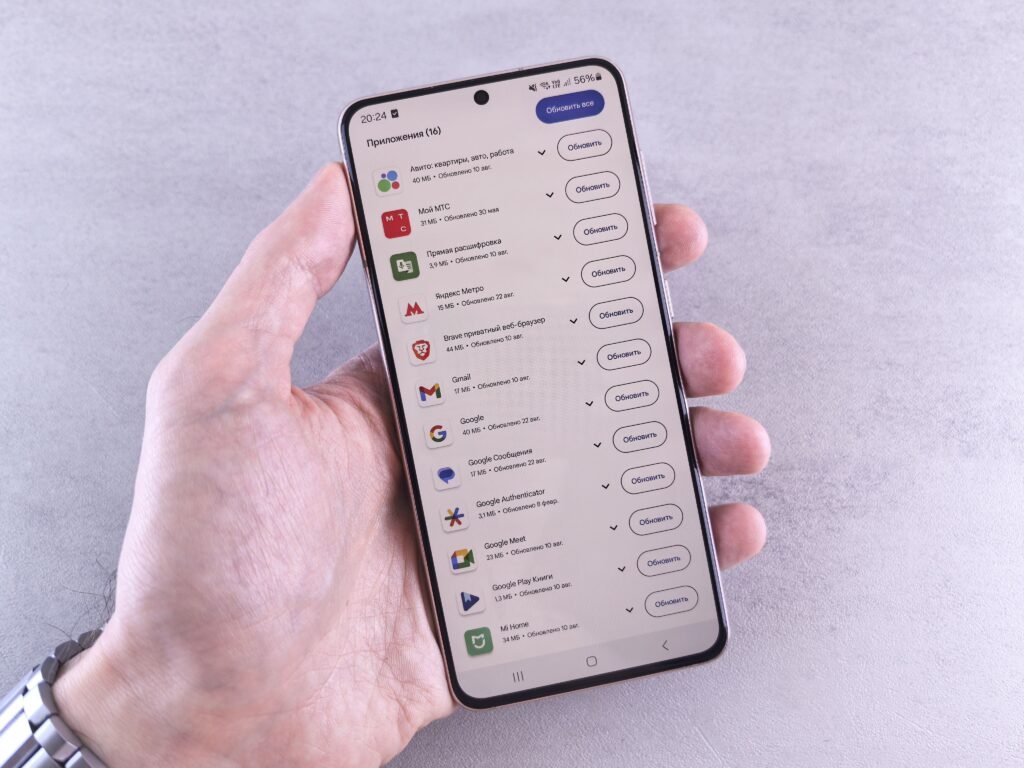
Duplicate Apps Are a Major Issue
One of the most noticeable parts of the Samsung Galaxy S26 Ultra Review Bloatware problem is the presence of overlapping services.
Samsung has its own applications, while Google provides similar alternatives.
For example:
| Function | Samsung | |
|---|---|---|
| Browser | Samsung Internet | Chrome |
| App store | Galaxy Store | Google Play Store |
| Assistant | Bixby | Gemini |
| Wallet | Samsung Wallet | Google Wallet |
| Cloud storage | Samsung services | Google Drive |
| Health | Samsung Health | Google services |
Having alternatives isn’t automatically bad.
Some users actually appreciate having a choice.
The problem occurs when you don’t know which application you should use.
If Chrome is your preferred browser, Samsung Internet may sit unused. If you prefer Google Wallet, Samsung Wallet may not be important to you.
The same principle applies to cloud storage, assistants, and other overlapping services.
Does Bloatware Use Storage?
Yes, but it’s important to understand what you’re looking at.
When you purchase a smartphone, some storage is already occupied by the operating system and other system resources.
This can include:
- Android
- One UI
- Firmware
- Recovery components
- Security files
- Preinstalled applications
- AI resources
- Temporary system data
- Updates
Therefore, it would be misleading to say that all occupied storage is bloatware.
Still, optional applications contribute to the amount of storage being used.
This can become more noticeable on lower-capacity models, especially if you store lots of high-resolution photos, videos, games, and documents.
A useful tip is to check storage after completing all system and application updates. This gives you a more realistic picture of how much space is available for your personal files.
Samsung Galaxy S26 Ultra Review Bloatware: Can You Remove It?
The good news is that many optional applications can be removed.
To check whether an application can be deleted:
- Open the app drawer.
- Find the application.
- Press and hold its icon.
- Select Uninstall if available.
- Confirm the removal.
If you don’t see an uninstall option:
- Open Settings.
- Select Apps.
- Find the application.
- Check whether Disable is available.
Not every application can be removed.
Some system components are connected to other Android or Samsung functions. Disabling important services without understanding their purpose can cause problems.
When in doubt, leave system applications alone.
11 Ways to Reduce Bloatware
1. Remove Apps You Never Use
Start with applications you’ve never opened.
If you have no reason to use an app, check whether you can uninstall it.
2. Review Social Media Apps
Social applications can generate a large number of notifications.
If you don’t use a particular platform, removing the app can make the phone feel cleaner.
3. Select One Primary Browser
You can use either Samsung Internet or Chrome as your main browser.
There’s no need to actively use both unless you have a specific reason.
4. Choose Your Preferred AI Assistant
The Galaxy S26 Ultra provides access to multiple AI experiences.
Choose the assistant that best fits your needs instead of switching between several services unnecessarily.
5. Review Cloud Storage
If you’re already comfortable with Google Drive, you may not need another cloud-storage service for the same purpose.
However, professionals may intentionally use several platforms.
6. Disable Unwanted Notifications
An application doesn’t always need to be deleted just because it sends too many alerts.
Go to notification settings and turn off notifications that aren’t useful.
7. Organize Your App Drawer
Create folders for categories such as:
- Work
- Finance
- Social
- Entertainment
- Samsung
- Shopping
This can make a large collection of applications much easier to navigate.
8. Remove Unused Shopping Apps
If your device includes shopping or promotional services you don’t use, check whether they can be uninstalled.
9. Review AI Features
AI features can be useful, but you don’t have to use every tool available.
Keep the features that genuinely improve your daily routine.
10. Review App Permissions
Check applications that have access to your:
- Location
- Camera
- Microphone
- Contacts
- Photos
- Files
Restrict permissions that aren’t necessary.
11. Clean Up Your Storage Regularly
Don’t wait until your storage is almost full.
Every few months, remove applications you no longer use and review large files.
Does Bloatware Slow Down the Galaxy S26 Ultra?
A common misconception in the Samsung Galaxy S26 Ultra Review Bloatware debate is that preinstalled apps automatically make the phone slow.
That’s not necessarily true.
The Galaxy S26 Ultra is a flagship smartphone with powerful hardware. Ordinary preinstalled applications shouldn’t automatically cause significant performance problems.
However, unwanted services can sometimes contribute to:
- Background activity
- Notifications
- Data synchronization
- Updates
- Cached files
If your phone becomes slow, don’t automatically blame bloatware.
Check available storage, software updates, battery settings, background applications, and other possible causes.
Privacy and Security Considerations
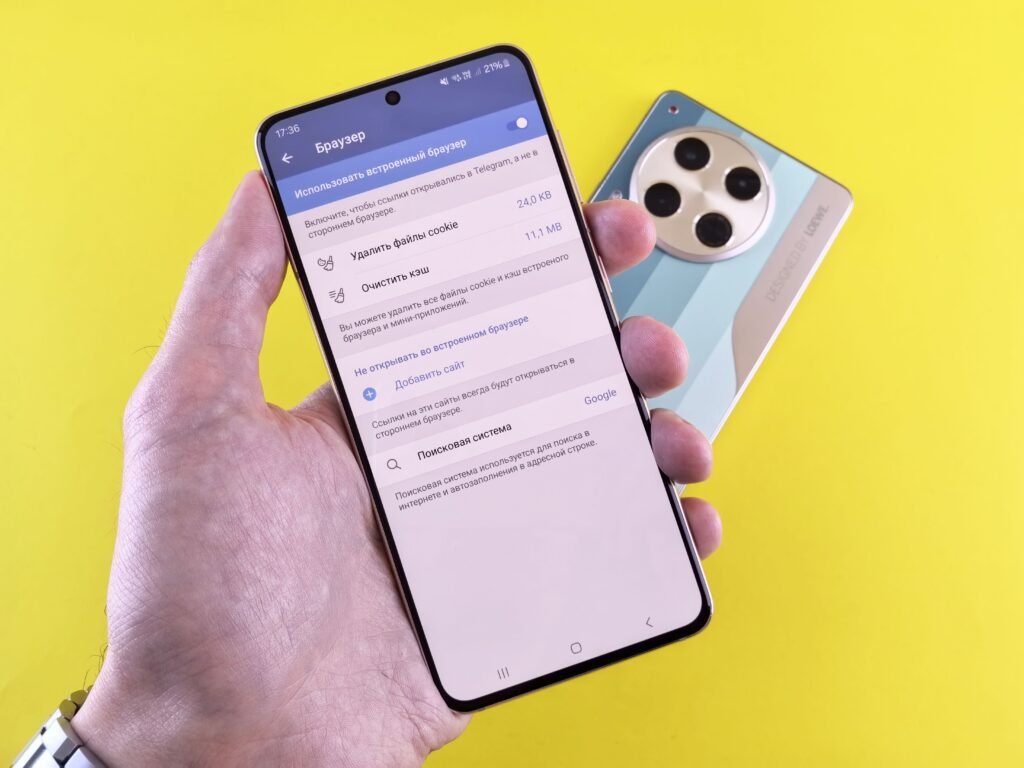
The Samsung Galaxy S26 Ultra Review Bloatware discussion also raises questions about privacy.
Every application installed on a phone can potentially request permissions.
That doesn’t mean the software is unsafe.
Instead, users should regularly review what permissions their applications have.
For example, ask:
- Does this app need location access?
- Does it need my microphone?
- Does it need my camera?
- Does it need access to my contacts?
- Does it need access to my photos?
If the answer is no, consider restricting that permission.
Keeping your smartphone updated is equally important because security patches can address newly discovered vulnerabilities.
Samsung Galaxy S26 Ultra official specifications — Samsung Pakistan
Galaxy AI and Software Complexity
Galaxy AI is a major part of Samsung’s flagship strategy.
AI-powered features can assist with:
- Writing
- Communication
- Photography
- Searching
- Productivity
- Translation
- Summaries
- Everyday tasks
These features can make the phone more useful.
However, they also increase the number of services and settings users may encounter.
This makes the Samsung Galaxy S26 Ultra Review Bloatware discussion broader than traditional preinstalled apps.
Modern smartphone software is becoming increasingly complex because AI is now integrated into the operating system itself.
For technology enthusiasts, that’s exciting.
For users who want a straightforward phone, it can feel overwhelming.
Is One UI Too Complicated?
One UI isn’t necessarily complicated in a negative way.
It’s better described as feature-rich.
Samsung gives users extensive control over their devices.
You can change:
- Home-screen layouts
- Widgets
- Quick settings
- Notifications
- Navigation
- Display options
- S Pen controls
- Privacy settings
- App permissions
- Default apps
- AI settings
The advantage is flexibility.
The disadvantage is that users who prefer simplicity may have more settings to navigate.
That’s an important distinction when evaluating the Samsung Galaxy S26 Ultra Review Bloatware experience.
Samsung Galaxy S26 Ultra Review Bloatware: Who Should Buy It?
The Samsung Galaxy S26 Ultra Review Bloatware issue shouldn’t be the only factor in your buying decision.
The phone remains a strong option for users who want a premium Android experience.
It’s a Good Choice for:
- Samsung ecosystem users
- S Pen owners
- Mobile photographers
- Content creators
- Professionals
- Android enthusiasts
- People who enjoy customization
- Power users
You May Prefer Another Phone If:
- You want minimal software
- You dislike duplicate applications
- You want a simple interface
- You don’t want to customize your device
- You dislike third-party preinstalled apps
Ultimately, your personal preferences matter.
Samsung Galaxy S26 Ultra Review Bloatware: Pros and Cons
| Pros | Cons |
|---|---|
| Many useful features | Some apps may be unnecessary |
| Strong Samsung ecosystem | Duplicate services can appear |
| Excellent customization | Interface can feel busy |
| Powerful AI tools | More settings to manage |
| Many optional apps can be removed | Preinstalled apps use some storage |
| Strong productivity features | Third-party apps may be unwanted |
| Excellent S Pen integration | Not a minimalist Android experience |
Is Bloatware a Dealbreaker?
For most users, no.
The Samsung Galaxy S26 Ultra Review Bloatware issue is a legitimate weakness, but it doesn’t overshadow the phone’s overall capabilities.
The Galaxy S26 Ultra is designed for people who want a wide range of features.
If you value the S Pen, advanced photography, multitasking, AI tools, Samsung DeX, ecosystem integration, and extensive customization, the additional software may be an acceptable trade-off.
On the other hand, if you want the cleanest possible Android experience, another phone may be a better fit.
Frequently Asked Questions
Does the Samsung Galaxy S26 Ultra have bloatware?
Yes. The Samsung Galaxy S26 Ultra Review Bloatware situation includes Samsung applications, Google services, and potentially third-party applications depending on the market and device configuration.
Can I uninstall unwanted applications?
Many optional applications can be uninstalled. Some system applications may only be disabled, while essential components cannot be removed.
Is every Samsung application bloatware?
No. Many Samsung applications are important to the Galaxy experience and provide useful functionality.
Does bloatware take up storage?
Yes, optional applications consume some storage. However, operating-system files and other system resources also account for a significant portion of occupied space.
Does bloatware make the S26 Ultra slower?
Not necessarily. The phone has powerful hardware. Unwanted applications can contribute to background activity, but they shouldn’t automatically cause major performance problems.
Can Samsung and Google duplicate apps?
Yes. You may find overlapping services such as Samsung Internet and Chrome, or Samsung Wallet and Google Wallet.
Should I remove Samsung Internet?
If you prefer Chrome and don’t use Samsung Internet, you can generally leave it unused or remove it if the available software controls allow you to do so.
Is Galaxy AI considered bloatware?
Galaxy AI is better viewed as an integrated feature set rather than traditional bloatware. Whether you find individual AI features useful depends on your needs.
Is One UI a clean Android interface?
One UI is polished and highly customizable, but it isn’t designed to be minimalist. The Samsung Galaxy S26 Ultra Review Bloatware concern mainly relates to the large number of apps, services, and overlapping features.
Is the Galaxy S26 Ultra worth buying?
Yes, particularly for users who value Samsung’s ecosystem, S Pen, cameras, performance, customization, and productivity features.
Final Verdict
The Samsung Galaxy S26 Ultra Review Bloatware issue highlights one of the few weaknesses of Samsung’s premium flagship.
The problem isn’t that One UI is poor software. It’s actually one of the most capable Android interfaces available.
The issue is the sheer number of features and services Samsung tries to provide.
Some users will appreciate having everything ready to go. Others will immediately start deleting applications.
Fortunately, the Galaxy S26 Ultra gives you plenty of control.
After setting up the phone, spend some time reviewing your applications. Remove software you don’t need, disable unnecessary notifications, choose your preferred browser and assistant, review permissions, and organize your remaining apps.
After that cleanup, the phone can feel significantly more focused.
Final Ratings
| Category | Score |
|---|---|
| Hardware | 9.5/10 |
| Display | 9.5/10 |
| Camera | 9/10 |
| Performance | 9.5/10 |
| Software | 8.5/10 |
| Software cleanliness | 6.5/10 |
| Customization | 9.5/10 |
| Overall | 9/10 |
In the end, Samsung Galaxy S26 Ultra Review Bloatware is a valid concern, but it isn’t enough to make the phone a poor choice.
If you want a powerful flagship with extensive features, the S26 Ultra remains highly attractive. If you prefer a minimalist interface, you’ll probably need to spend some time cleaning it up.
Final verdict: Excellent flagship hardware and powerful software, but Samsung could provide a cleaner out-of-the-box experience.
1 thought on “Samsung Galaxy S26 Ultra Review Bloatware: 11 Smart Ways to Clean Up Your Phone”